
 06 Downhill
Wands for Ski Mountaineering – Part One
Wands are an obscure and trivial part of ski mountaineering, which makes them a perfect topic for straightchuter.com. I’ve carried thousands of wands, placed hundreds and actually used them for emergency navigation about five times, which made it all worthwhile. It’s hard to describe how calming and reassuring finding a wand can be when you […]

Narrated Couloir Video
I’ve been in a video uploading frenzy lately and put together this 4:30 clip on chute skiing. The couloir itself was a 40-45 degree line which was about 1,800′ tall. After editing the clips together, I went back and narrated over the top of it afterwards. There is obviously far more to skiing couloirs than […]
Chututorial 101
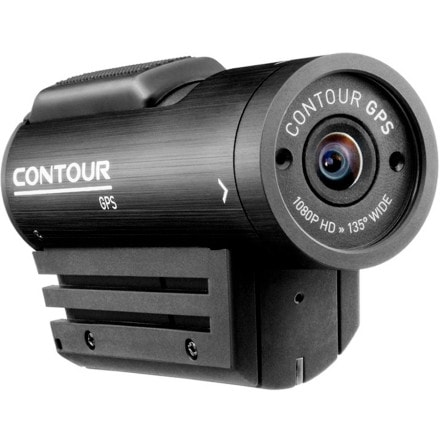
I happened to have my POV camera with me yesterday when I stumbled across the Holy Mole couloir, so I shot a little 10 minute “How I Ski Chutes” tutorial, or Chututorial. Don’t get your Oscar nominating hopes up – it is pretty crude, but it does illustrate the thought process that goes into skiing […]
The McClean Turn
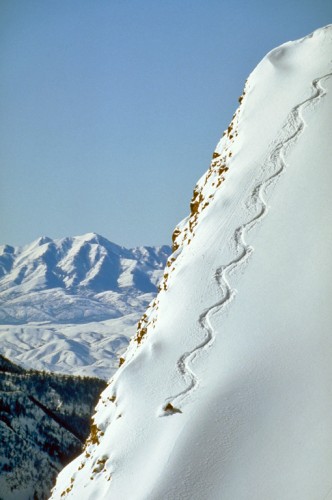
STOKAGE! Scot Schmidt has the Schmear Turn, the Eagen Brothers are credited with the “1-2-3 Turn” and Sylvan Sudan is synonymous with the Pedal Hop Turn, but until recently, all I had was a stupid website with a hard to spell url. But no more. In a bit of a backhanded compliment, the McClean Turn […]
Good Snow Hunting – Part I
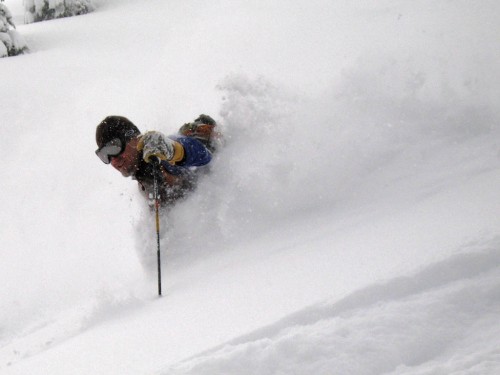
The best bit of backcountry skiing insight I’ve ever gotten came from a friend who I don’t think has backcountry skied a day in his life. Chris “GroFo” Grover is the Grand PoohBah of Sales at Black Diamond Equipment and has been quitting smoking for the last 15 years, which makes him wonderfully terse. The topic came about as […]
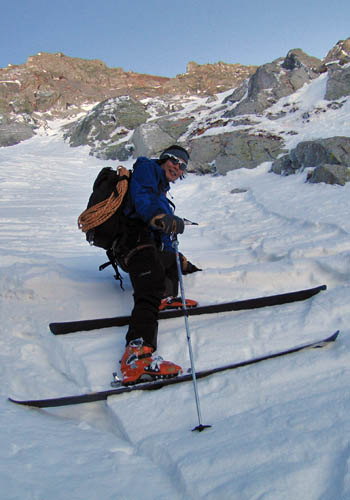
Steep Skiing 101 – Part IV
One reason there isn’t more super steep skiing footage in ski films isn’t that it is so hard to shoot, but more that it is kind of boring to watch. Slip, slip… slip. Pause. Turn! Slip, slip, slip. Pause. It is way more fun to do than to watch. Steep skiing is like this because when the stakes are high, […]
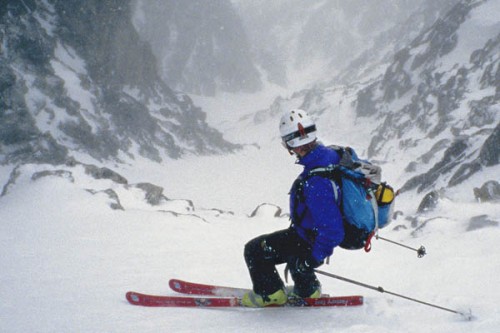
Steep Skiing 101 – Part III
Ninety-percent of steep skiing is in your head. I’ve witnessed some absolutely crappy skiers make it down steep slopes and conversely, seen experienced skiers (including myself) totally freeze up. It’s one of those things you just have to be psyched for and sometimes you are, and sometimes you aren’t. A bitter divorce or break-up seems to […]
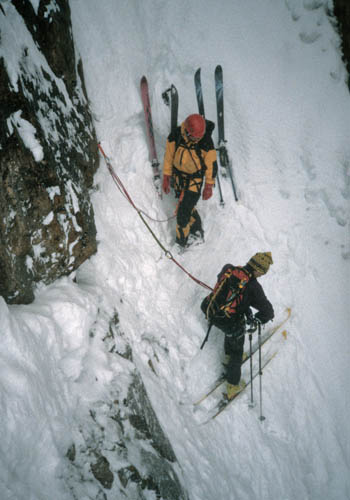
Steep Skiing 101 – Part II
Regardless of technique, one of the hardest things about steep skiing is committing to the first turn. Unlike climbing where you start at the bottom and slowly gain more exposure as you go up, with steep skiing, you are looking at the taking the maximum whipper if you blow the first move. I personally love […]
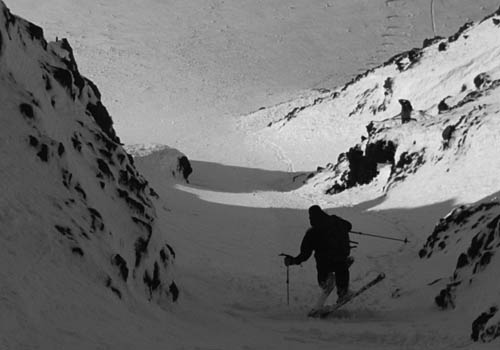
Steep Skiing 101
Wasatch Weekend Update: Way better than expected! After two weeks of warm temps, howling wind and no snow, the backcountry still had some soft and fun skiing. I had a good time at The Big LePowSki event this weekend, where one of the clinics I taught was “How to Assess and Ski the Steeps.” As much as I love steep […]

Self Retrieving Ski Anchor
I learned this sketchy rappel technique, where else, but in France, although in all fairness, it was a Swede who showed it to me. The idea is that with nothing more than a length of rope, you can set up a rappel in the middle of a snowfield, then after you’ve rappel, you can pull […]




Recent Comments