
Tag: avalanche avoidance
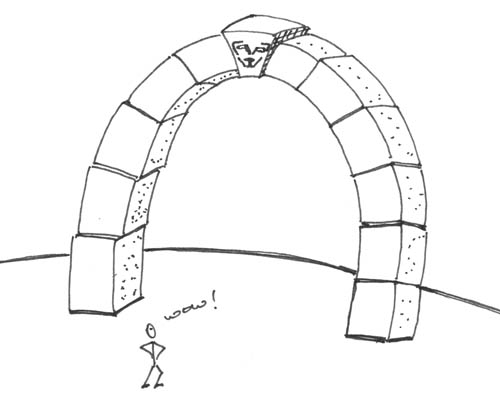
Arches and Avalanches
One of the cruelest avalanche tricks out there is the old “I was just minding my own business skinning up a nice valley when suddenly both sides collapsed thousands of feet above me and I was buried 20′ deep.” It is a mean spirited trick as the skier may be on flat ground far away […]
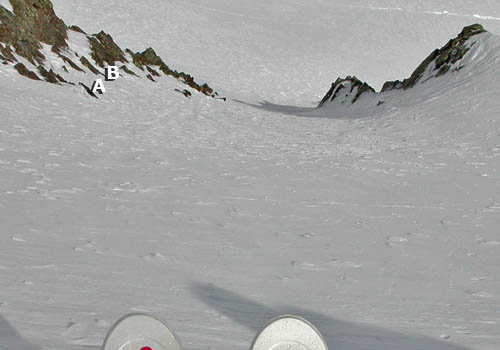
Selective Stopping Spots
One of the basics of avalanche avoidance and good backcountry travel protocol is to always stop below your partner(s), not above them. The reason for this is two-fold; one is that you might blow your last turn and take out your partners from above, and the other is that the weight of a stopping person may cause the slope to […]
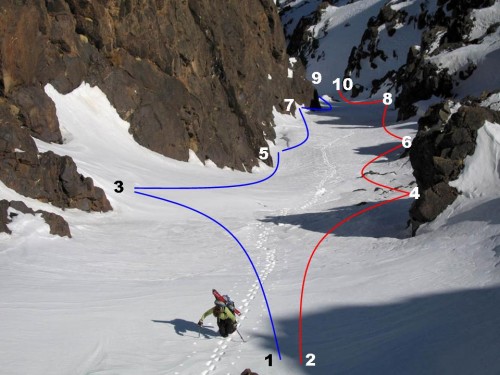
Leapfrogging to Safety
Whenever possible, I prefer to ski a couloir or avalanche exposed shot in leapfrogging segments. The idea is that one person skis, then tucks out in a safe spot and watches the other person, then they do the same. Ideally, the stopping points will be staggered so that you can see your partner at all […]
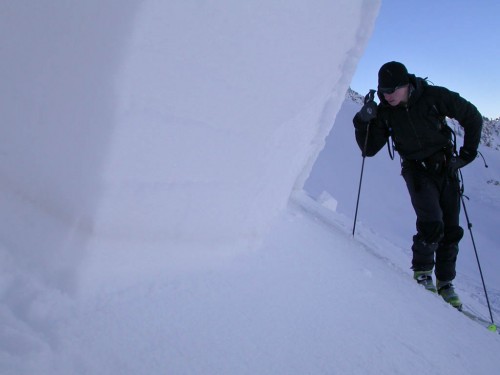
Inside Info – Part II
The snowpack is the third major factor and also the trickiest one. Like the weather, its history is more important than its immediate surface conditions. The plot thickens with the snowpack as there are almost always weaknesses in it, but they are difficult to quantify. Snow is the building block of avalanches, but it is […]
Avalanche Avoidance – Part I
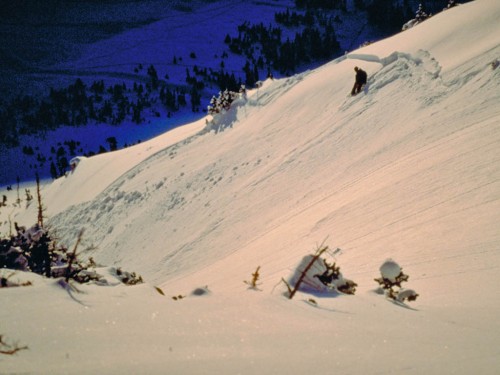
You know what an avalanche is, huh? It’s what’ll kill ya. Gabe – Alta Ski Patrol The avalanche path and the skier can never truly be friends. In the backcountry, the skier wants what the avalanche path has (steep & deep) but the avalanche could care less about the skier and always has the upper […]




Recent Comments