
Tag: avalanche
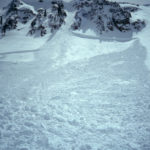
Mountain Mishaps Slideshow – Feb 9th, Snowbird
It’s one thing to have a few close calls in the mountains and yet another to have had enough to fill an hour long slide show. What can I say – I’m a slow learner. As part of the Utah Adventure Journal Speaker Series, I’ll be talking about some of the direct hits and near misses […]
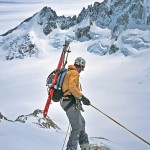
Snowbasin Freeride Avalanche Workshop, Jan 26 -28
I took this workshop last year at Snowbird and am excited to be returning this year as an instructor. I’ll be giving two classroom presentations, teaching a ropes & knots mini clinic and partaking in all of the on-snow activities. My first presentation should be titled “Mental Case Studies in Avalanche Stupidity” as it covers […]
Worthwhile Avalanche Video
One positive aspect of being a GoPro nation is that not only are avalanche accidents being documented as they happen, but often times from a variety of camera angles as well. This video does an excellent job showing the reality of being buried alive and the horror or realizing that the victim isn’t wearing a […]
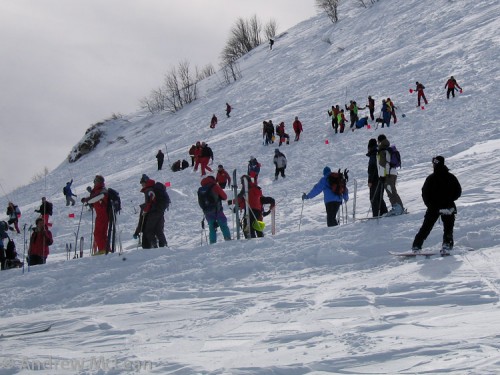
10 – The Common Cure
The tenth and last of my personal avalanche avoidance theories. There’s a joke among sailors concerning seasickness that’s usually told as the victim is puking over the railing: Q: Do you know the only proven cure for seasickness? A: Lie down in the shade of a palm tree. The point of the joke is that […]
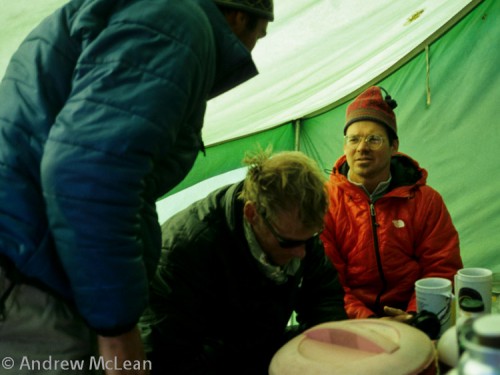
9 – Beyond Bros
Part 9 in 10 of my personal avalanche avoidance theories. Bro’ing down in the mountains with your buddies is a big part of what makes backcountry skiing so fun. There’s an intensity that comes from trusting your friends to rescue you if things go wrong (and vice versa) that leads to strong relationships, which may, […]
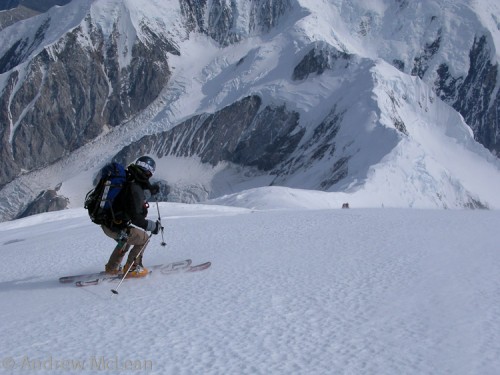
8 – Redefine Challenge
Part 8 in 10 of my personal avalanche avoidance theories… In 2010 I was involved in a round table discussion where participants were asked to describe the “most challenging thing they had done in their respective sports over the last year.” I went first and it was a no brainer – “Due to a persistently […]
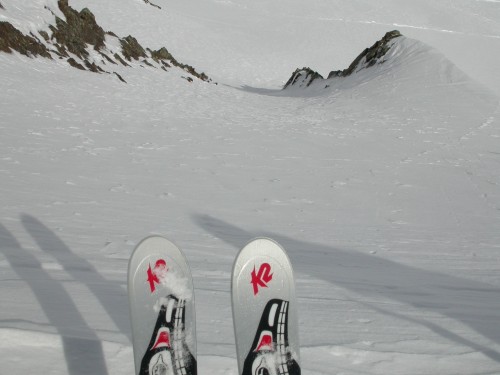
6 – Trust Your Instincts
Part 6 in 10 of my personal avalanche avoidance theories.. Deciding to ski an avalanche slope based on gut instincts alone is a bad habit to get into, but there is one occasion when you definitely should trust your avalanche instincts: when they are telling you NOT to do it. This is akin to Spiderman’s […]
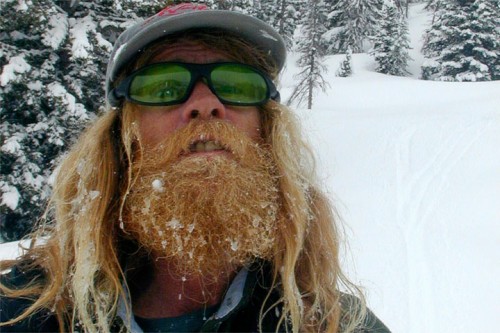
5 – Staying High with Athey
Part 5 in 10 of my personal avalanche avoidance theories… If you’ve spent time skiing in the Wasatch Mountains, you’ve most likely crossed tracks with Bob Athey, aka The Wizard of the Wasatch. Bob has excellent snow science skills and observations, but more than that he is the grand master of avalanche avoidance through terrain […]
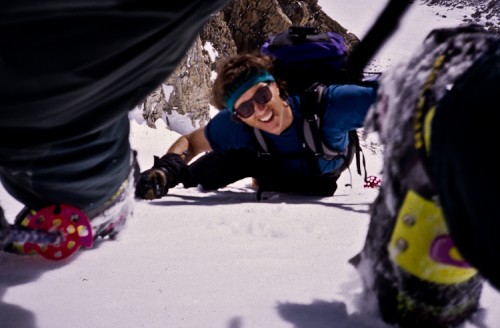
4 – Coombs on “Nibbling”
Part 4 of 10 of some of my personal favorite avalanche avoidance techniques. The late, great Doug Coombs was well known for skiing bold lines, but he also had a lesser known strategy for avalanche avoidance. One day when we were talking about steep skiing and the importance of easing into a new area, he […]

3 – Dawson on “It Never Gets Better”
I triggered avalanches five out of five of my first backcountry trips to Colorado. One of the more insulting ones involved having a car-sized pocket of crusty snow pull out and dump me into the surrounding rocks. The mountainscape was more rocks than snow at the time and it didn’t even seem conceivable that snow […]


Recent Comments